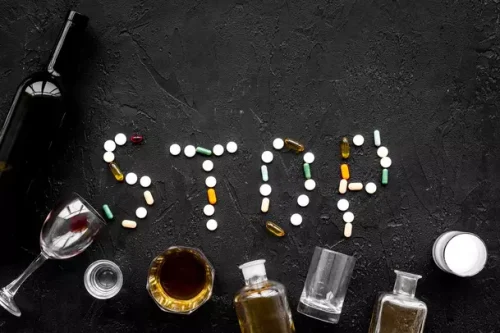
Understanding how these substances interact and the potential risks involved is crucial for anyone taking blood thinners like warfarin, rivaroxaban, or aspirin. This article explores these risks and provides safety tips to help manage your health effectively. Anticoagulants (warfarin, heparin and a newer class of drugs called direct oral anticoagulants) work by interfering with proteins involved in what is Oxford House the clotting process. Doctors prescribe them to dissolve or prevent large clots, Ko says.
- The safest way to avoid complications is to refrain from exceeding the recommended daily intake of alcohol.
- Even a simple fall can give you a nasty bruise or could even cause internal bleeding.
- However, they can still cause side effects when taken with alcohol.
Drug and Alcohol Addiction
This ultimately affects the delicate balance that doctors hope to achieve while using blood thinners. Depending on how this interaction works, it could cause the blood to become too thin, creating a high risk for bleeding from minor injuries. It could also reverse the effects of the blood thinners, increasing the risk of dangerous conditions like heart attack or stroke.

Understanding the Differences: Paroxysmal vs Persistent AFib Impacts and Treatments
For the most part, moderate alcohol consumption is safe for people while taking blood thinners as long as they have no major medical problems and are in overall good health. When combining Ativan with blood thinners and alcohol, there are serious risks that need to be considered. It’s important to ativan watch for symptoms healing, as the combination can increase the risk of excessive sedation, dizziness, and impaired coordination. Like Arixtra, Lovenox is a low molecular weight heparin given as an injection. The drug helps prevent clot formation, commonly following surgeries or in people with certain heart conditions. Combining Lovenox with alcohol can lead to easier bruising and prolonged bleeding, so doctors often recommend abstaining or limiting intake significantly.
The Role of Blood Thinners in Health
AddictionResource fact-checks all the information before publishing and uses only credible and trusted sources when citing any medical data. Eliquis inhibits factor Xa, a pivotal enzyme in the clotting cascade, thereby reducing the likelihood of clot formation. This inhibition disrupts the propagation phase of the coagulation cascade, thereby decreasing the ability to form blood clots. If you’re on Eliquis, you might ponder the safety of having an occasional alcoholic drink. It’s critically important to understand the potential health implications involved. This article cuts right to the chase, detailing the risks and clear guidelines for safely managing alcohol and Eliquis intake.
Warfarin

It’s essential to understand these interactions to avoid serious health complications. Alcohol can disrupt the balance of blood clotting, making it less effective at preventing blood clots and more prone to causing excessive bleeding. For individuals on blood thinners, this can mean a higher likelihood blood thinners and alcohol of both blood clots forming and uncontrolled bleeding occurring. Of course, if you drink alcohol, drinking in moderation is always recommended. Over-imbibing can affect how quickly your blood clots and can increase your chances of falling.


Leave A Comment